Mar. 12, 2026
When it comes to storing glass wool blankets, ensuring their safety and integrity is paramount. Mishandled glass wool can lead to insulation inefficiencies, increased environmental footprint, and potential health risks. Our Safety Tips offer actionable solutions that can mitigate these issues, providing benefits such as enhanced durability and optimal thermal performance. Imagine reducing your insulation waste and maximizing energy efficiency—this can be a reality with the right practices.
Why it Matters: Proper storage conditions prevent degradation and performance loss.
Store glass wool blankets in a dry, cool area with minimal temperature fluctuations. Avoid places where moisture can accumulate, as this can lead to the growth of mold and reduce insulation effectiveness.
This tip is ideal for builders and DIY enthusiasts who have limited space and want to maintain the quality of their materials. Ensure that you check the humidity levels regularly.
Why it Matters: Proper packaging protects against external damage and contamination.
Wrap glass wool blankets in polyethylene or other moisture-resistant materials to prevent exposure to dust, pollutants, and moisture. This packing method is crucial during transportation and long-term storage.
This technique is suited for contractors dealing with multiple sites or clients, ensuring materials retain their quality across various conditions.
Why it Matters: Incorrect stacking can reduce the thermal insulation properties of the blankets.
When stacking glass wool blankets, place them flat without heavy objects on top. This helps to preserve their structure and thermal efficiency, as compression can severely decrease their R-value.
This tip benefits warehouse managers or anyone storing large quantities of insulation material to avoid diminishing returns on insulation efficiency.
Why it Matters: Routine checks can identify problems early, saving time and costs.
Schedule periodic inspections of stored glass wool blankets to check for signs of damage, moisture, or pest infestation. Early detection can prevent larger issues that could necessitate costly replacements.
This practice is essential for facility managers who need to ensure that inventory remains in prime condition for future projects.
Why it Matters: Proper training ensures that everyone is aware of best storage practices.
Provide training sessions on the proper handling and storage of glass wool blankets to all team members. This investment in knowledge can drastically reduce mishaps and enhance workplace safety.
This tip is particularly important for construction companies where multiple personnel are involved in material handling and storage.
By implementing these 5 essential tips for storing glass wool blankets safely, users can enjoy increased product longevity, better insulation performance, and minimized health risks. From choosing the right environment to educating your team, each action forms a critical part of maintaining the integrity of your materials.
The ideal temperature for storage is between 50°F to 85°F (10°C to 30°C) as extreme temperatures can affect performance.
Inspecting stored materials at least once every three months is recommended to ensure their condition and integrity.
You can stack them, but avoid placing heavy items on top to prevent compression which can lower their thermal efficiency.
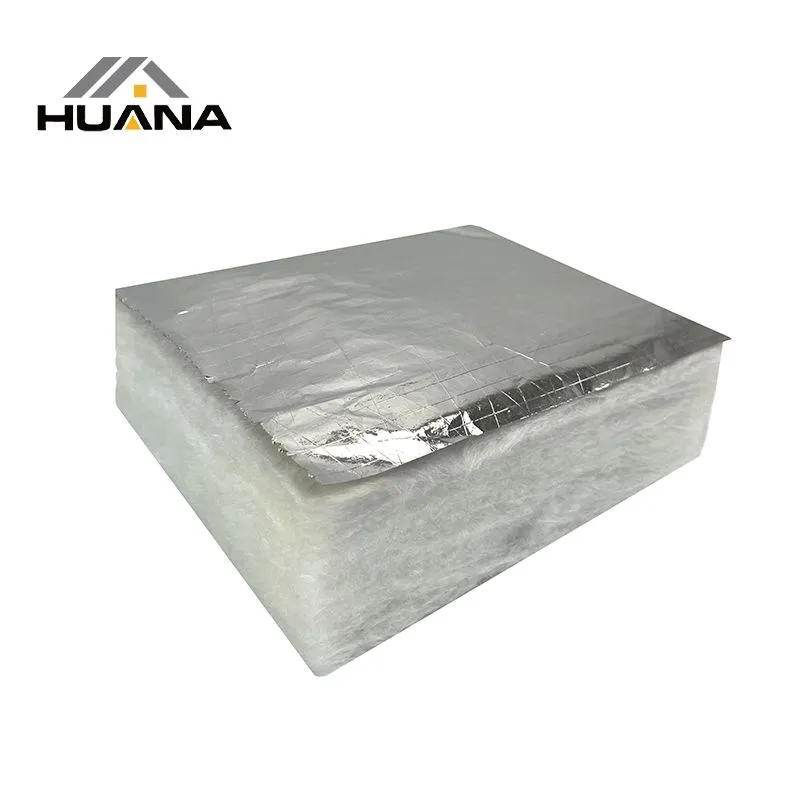
For those looking to optimize their insulation storage, utilizing brands such as Huana, known for their robust performance, can enhance storage effectiveness even further.


Latest News
Pros and Cons of Embossed Textures on Exterior Panels
Oct. 22, 2026
Guide to Selecting Edge Treatments for Exposed Boards
Oct. 21, 2026
Tips for Storing Low-Odor Glass Wool Before Installation
Oct. 20, 2026
Contact Us
Product Category
Follow Us
Request a Quote


